Overview
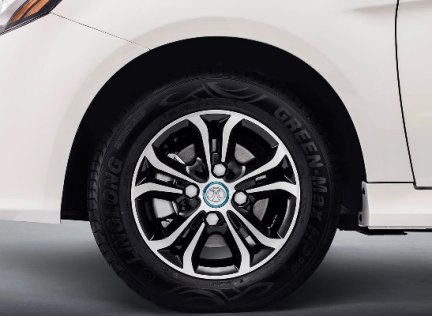
Synthetic rubbers are pivotal in the evolution of electric vehicles (EVs), addressing challenges like thermal management and noise reduction. For example, styrene-butadiene rubber (SBR) with nanoscale silica reinforcement is now used in EV tires to enhance rolling resistance reduction by 15%, directly improving energy efficiency. Additionally, ethylene propylene diene monomer (EPDM) is employed in battery pack seals, offering superior vibration damping and thermal stability up to 150°C.
Key Applications
lTire Compounding: Hybrid SBR/NR blends reduce weight while maintaining grip on wet surfaces.
lBattery Components: Fluoroelastomers (FKM) in sealing gaskets prevent electrolyte leakage in high-voltage systems.
lInterior Noise Control: Polyurethane (PU)-based rubber dampers absorb road noise, enhancing cabin comfort.
Synthetic Rubber Type Key Property Advantages Primary EV Applications Impact on EV Performance
SBR with Silica Low rolling resistance, wet grip Tire tread compounds Extends driving range by improving energy efficiency
EPDM Excellent thermal stability (up to 150°C), weathering resistance Battery pack seals, cooling system hoses Ensures battery safety and long-term durability
Fluoroelastomer (FKM) High resistance to fuels, oils, and chemicals High-voltage sealing gaskets, connectors Prevents electrolyte leakage and electrical failures
Polyurethane (PU) Superior damping and abrasion resistance Interior mounts, noise dampers Enhances cabin quietness and comfor
Synthetic Rubber Type Key Property Advantages Primary EV Applications Impact on EV Performance
SBR with Silica Low rolling resistance, wet grip Tire tread compounds Extends driving range by improving energy efficiency
EPDM Excellent thermal stability (up to 150°C), weathering resistance Battery pack seals, cooling system hoses Ensures battery safety and long-term durability
Fluoroelastomer (FKM) High resistance to fuels, oils, and chemicals High-voltage sealing gaskets, connectors Prevents electrolyte leakage and electrical failures
Polyurethane (PU) Superior damping and abrasion resistance Interior mounts, noise dampers Enhances cabin quietness and comfort
Synthetic Rubber Type Key Property Advantages Primary EV Applications Impact on EV Performance
SBR with Silica Low rolling resistance, wet grip Tire tread compounds Extends driving range by improving energy efficiency
EPDM Excellent thermal stability (up to 150°C), weathering resistance Battery pack seals, cooling system hoses Ensures battery safety and long-term durability
Fluoroelastomer (FKM) High resistance to fuels, oils, and chemicals High-voltage sealing gaskets, connectors Prevents electrolyte leakage and electrical failures
Polyurethane (PU) Superior damping and abrasion resistance Interior mounts, noise dampers Enhances cabin quietness and comfort
Market Trends
With EV adoption growing at 20% CAGR, demand for high-performance synthetic rubbers is projected to exceed 450,000 tons/year by 2027.